The Architecture Hub gives access to the latest news of EPFL Architecture within the ENAC faculty, as well as presenting teaching and research programs, governance and people at the core of the community. The organizational structure of EPFL Architecture and the EPFL ecosystem is described in the glossary.
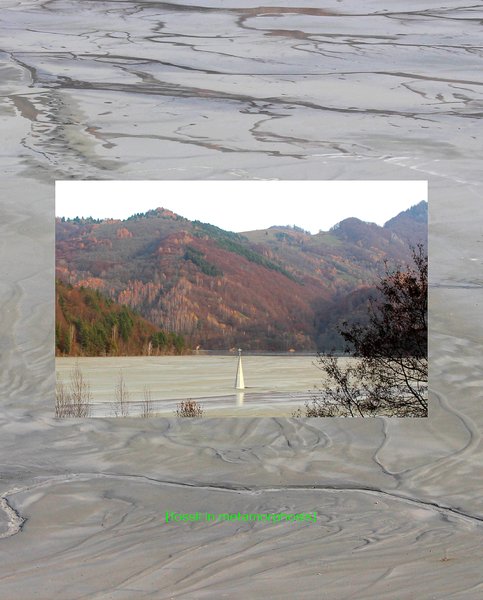
« Phytographia, vers de nouvelles propositions pour la fabrique graphique de l'arbre urbain » Dans le prolongement du projet de cartographie potentielle Terra Forma, le projet de recherche Phytographia poursuit une expérimentation autour des graphies du terrestre à partir, cette fois, de l’écologie scientifique. Il s’agit de réfléchir aux régimes de visibilité, d’attention, de compréhension et de relation que nous entretenons avec le vivant végétal pour prototyper une possible écriture végétale du monde. À partir de l’arbre comme sentinelle graphique, Phytographia prend pour terrain le projet urbain et ambitionne de mettre en scène l’acte de penser par le dessin. Une …
Directeurs de thèse : Prof. P. V. Aureli, Prof. C. van Gerrewey Programme doctoral en Architecture et sciences de la ville Thèse n° 11699 Pour participer à la soutenance publique, merci de contacter directement l’intervenant
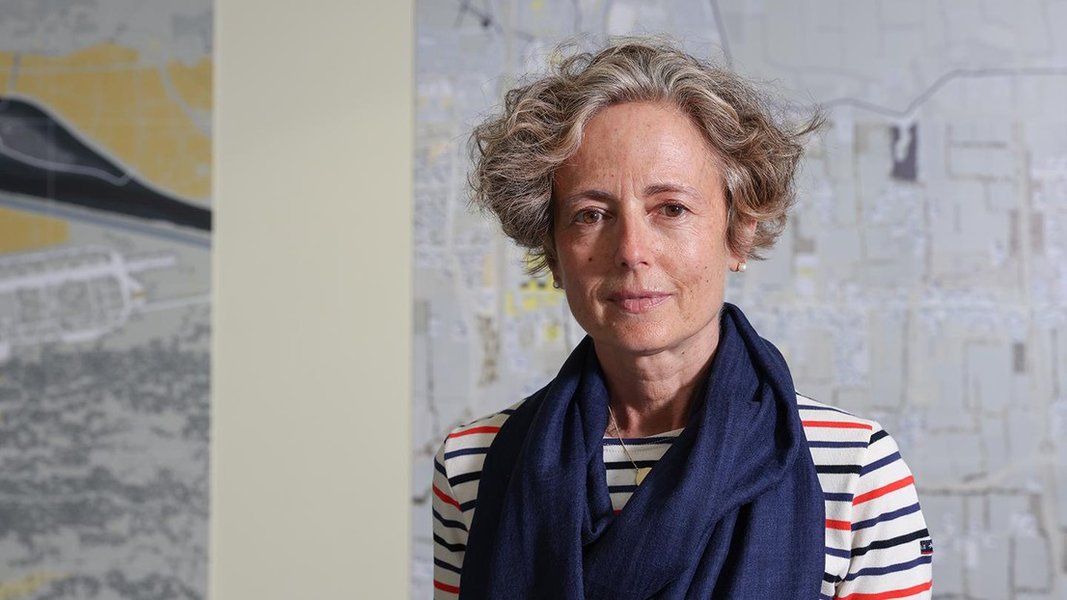
12.05.26 - Portrait of Cammy Brothers, new Professor of History of Architecture. An internationally recognized historian of art and architecture, her work has significantly reshaped the understanding of the Italian Renaissance and the exchanges between Europe and the Islamic world. She joins EPFL Architecture and will develop the CHAART – Critical Histories of Architecture and Art. We are pleased to welcome Professor Cammy Brothers to EPFL Architecture. Previously Professor at Northeastern University in Boston, she has been appointed Full Professor of History of Architecture in the Institute of Architecture and the City, part of the ENAC Faculty. At EPFL, she …
During a one-week Summer Workshop at Lincoln’s Inn Fields in Central London, students will explore drawing as a fundamental tool in architecture and engineering, engaging with the site as both a built environment and a historically transformed place. Developed in collaboration with Drawing Matter, London, the workshop integrates hands-on drawing with research into the Drawing Matter Collection, a unique archive of architectural drawings. Students will construct survey drawings—understood as instruments for potentially transforming existing conditions—while investigating drawing as a corporeal practice of measuring, analyzing, and questioning spatial, tectonic, urban, and material articulation, as well as the notion of place. Drawing …
EPFL architecture graduates, Vincent Digneaux, Solène Guisan and Vincent Kastl, were crowned winners of the Sustainable is Beautiful student architecture prize for their modular footbridge over the Chamberonne river. Designing the structure, which serves as both a crossing and a meeting place, gave them their first taste of life as an architect. Several years ago, the Laboratory of Architecture and Sustainable Technologies (LAST) at EPFL’s School of Architecture, Civil and Environmental Engineering (ENAC) launched Sustainable is Beautiful, a competition run in partnership with public and private organizations involved in green-transition projects, to help equip budding architects for their future role.
WINNER OF THE 2023 RIBA CHARLES JENCKS AWARD
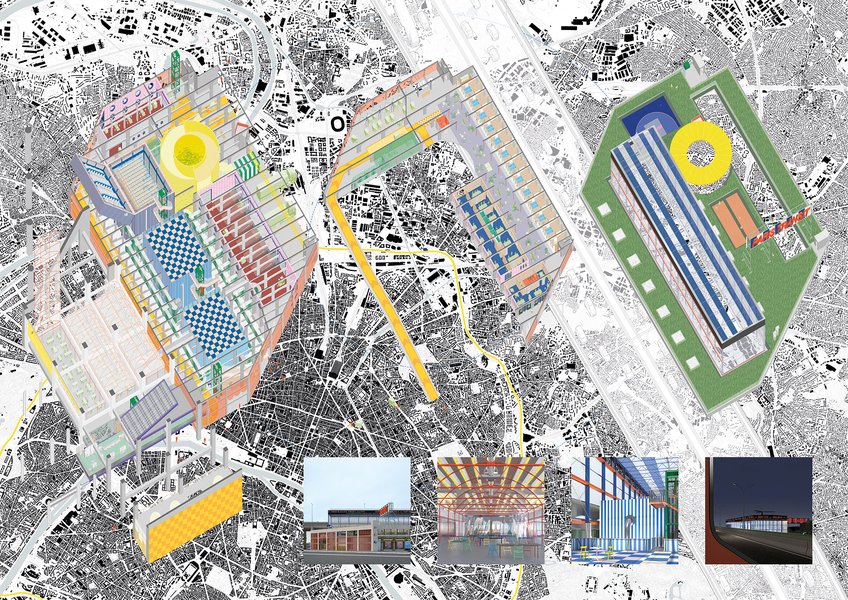
The Dogma practice, founded in 2002 by Pier Vittorio Aureli, associate professor at the EPFL Architecture Department (ENAC), and Martino Tattara, has been awarded the prestigious Charles Jencks 2023 Prize by the Royal Institute of British Architects (RIBA).
Created in 2003 to reward an individual (or office) who has recently made a major contribution to both the theory and practice of architecture, this prestigious prize has distinguished architects such as Peter Eisenman, Zaha Hadid, Rem Koolhaas, Jacques Herzog and Pierre de Meuron over the years.
Housing is a major contributor to Switzerland's carbon footprint and energy consumption, but it is also a basic need. Research on climate change mitigation strategies has so far paid insufficient attention to households' preferences and their contribution to housing sustainability. Depicting residential preferences requires an understanding of the multilevel, context-specific, and interrelated determinants of the match between households and dwellings, which are made explicit in the residential mobility process.